Depending on your age, you may or may not differ on the letters included in how you describe the LGBTQ+ community.
Since the 1990s and the inclusion of the transgender community, it has commonly been the LGBT community.
L – Lesbian
G – Gay
B – Bisexual
T – Transgender
It was later expanded again in the 2000s to include the Q, meaning Queer to be more inclusive to the rest of the community that may not be fit into any of the other descriptors. Intersex (I) and Asexual (A), along with the plus (+) sign were added later to be even more inclusive.
The acronym, no matter how it’s written, is to symbolize the community of people that feel connected by a common struggle and cause.
Keeping in the spirit of inclusivity, the different communities under the LGBTQ+ banner each are represented by there own flags.
The original rainbow PRIDE flag was commissioned by Harvey Milk – the first openly gay US Senator – and created in 1977 by Gilbert Baker. Each color of the flag, commonly referred to as the rainbow flag, represented something different.
Hot pink: Sex
Red: Life
Orange: Healing
Yellow: Sunlight
Green: Nature
Turquoise: Art/Magic
Indigo: Harmony
Violet: Spirit
Since then, two of the colors were removed in 1979. In 2018, the Progress Pride flag added colors representing the transgender community and people-of-color.
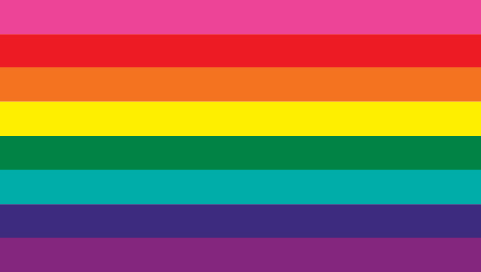 | Gilbert Baker Pride Flag |
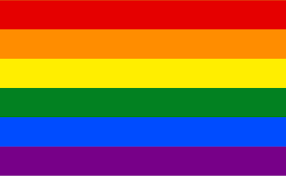 | Pride Flag |
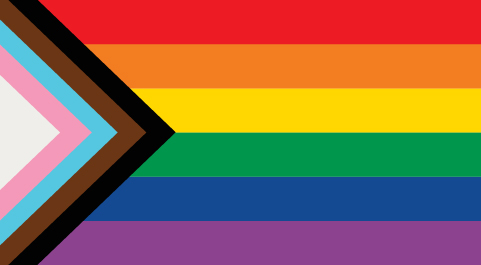 | Progress Pride Flag |
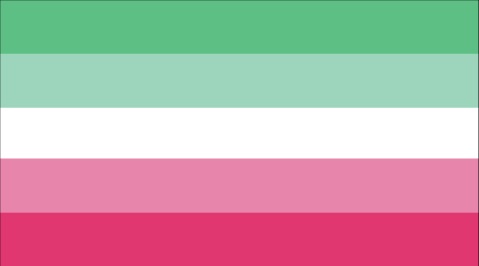 | Abrosexual Pride Flag |
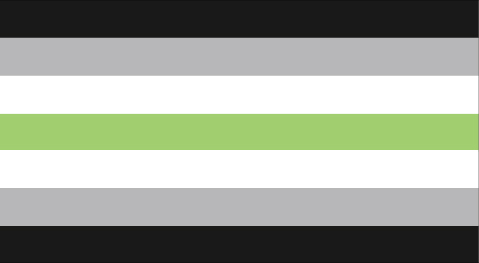 | Agender Pride Flag |
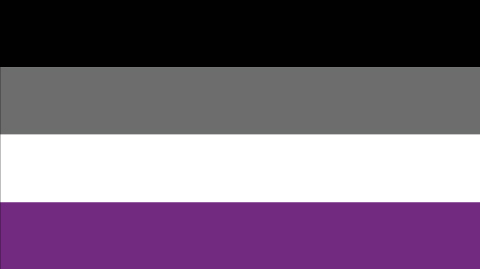 | Asexual Pride Flag |
 | Aromantic Pride Flag |
 | Bisexual Pride Flag |
 | Demiromantic Pride Flag |
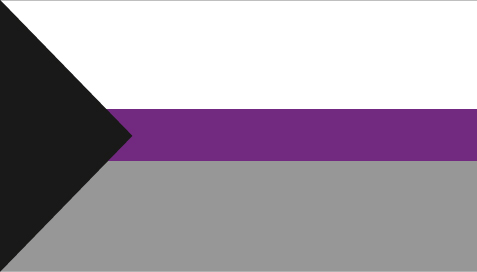 | Demisexual Pride Flag |
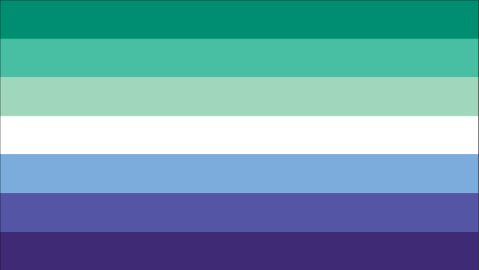 | Gay Man Pride Flag |
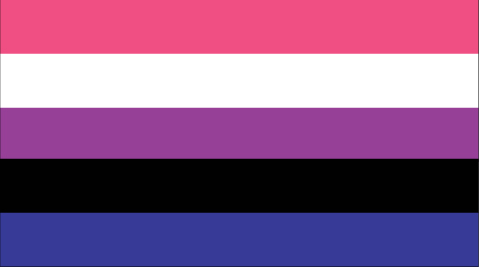 | Genderfluid Pride |
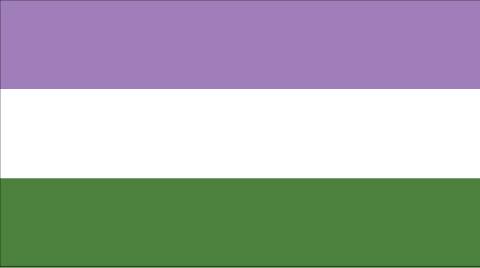 | Genderqueer Pride Flag |
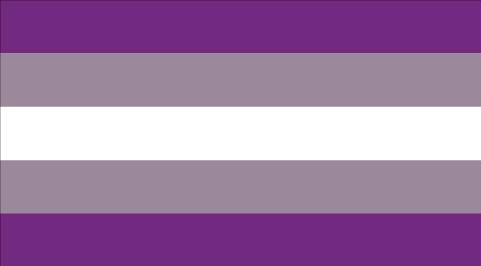 | Graysexual Pride Flag |
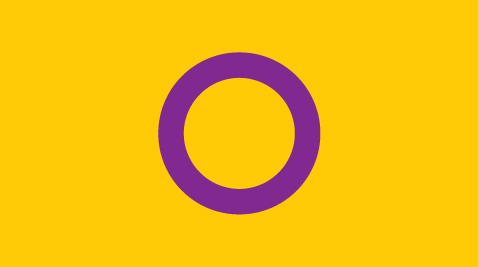 | Intersex Pride Flag |
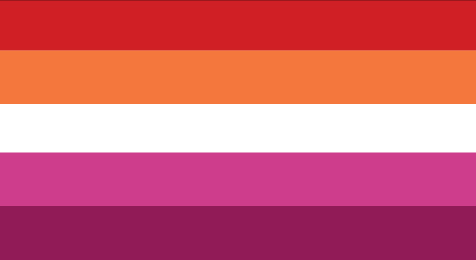 | Lesbian Pride Flag |
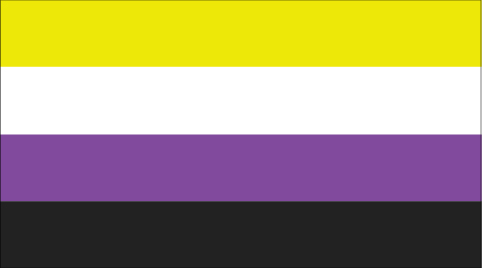 | Non-binary Pride Flag |
 | Pansexual Pride Flag |
 | Polysexual Pride Flag |
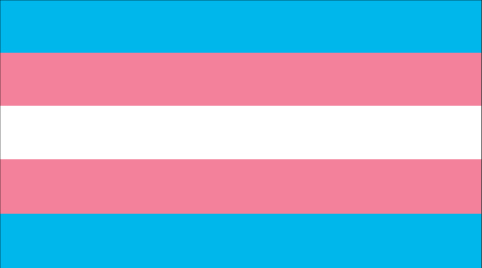 | Transgender Pride Flag |
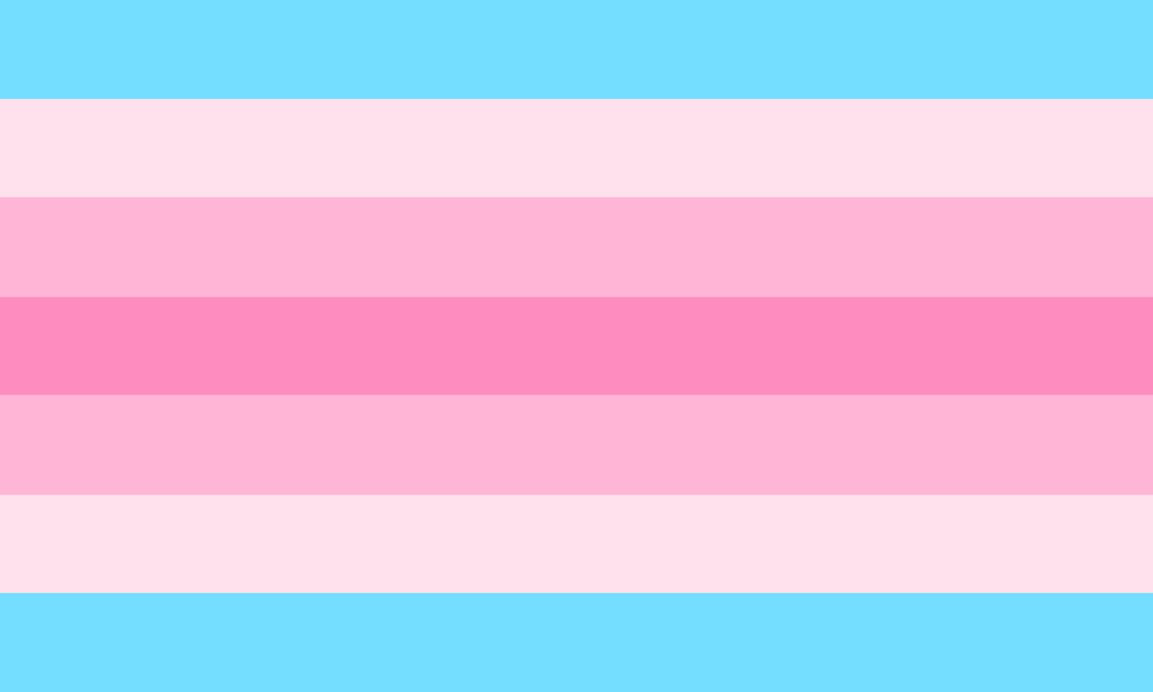 | Transfeminine Pride Flag |
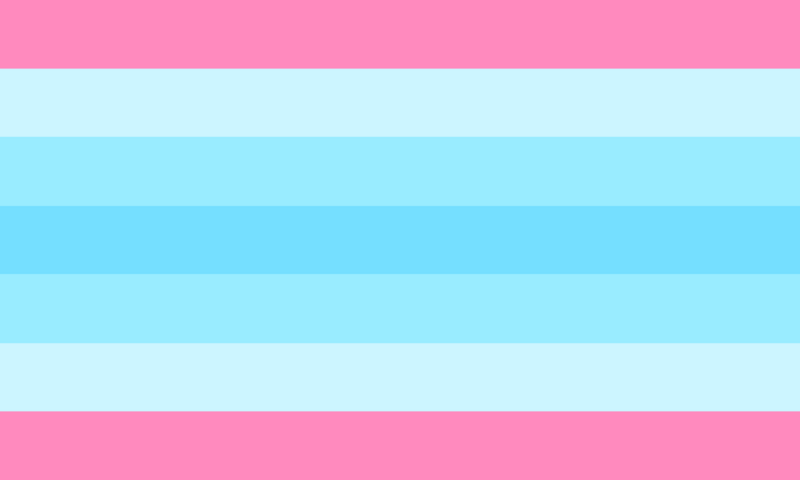 | Transmasculine Pride Flag |
PRIDE began as a riot.
On June 28, 1969, in response to arrests, public humiliation and more at the hands of police in New York City, members of the LGBTQ+ community began an uprising that lasted for six days. It became known as the Stonewall Riots.
In the aftermath, a nationwide movement began that saw the eventual, albeit slow, dismantling of discriminatory laws as the fight for equality and respect continues decades later.
Every year, a month-long celebration takes place around the world recognizing the fight that began in New York on that fateful Saturday morning.
Pride events take different sizes and scopes. Some small communities hold a scaled back Pride event while cities around the world play host to come of the largest gatherings and celebrations of the LGBTQ+ community each year.
As legislation and attacks against the LGBTQ+ community have been on the rise in recent years, Pride once again includes an element of rebellion. Pride is a chance for everyone, members and allies alike, to take a stand and say collectively, “We will not back down and we are not going anywhere!”
A transgender person is, to put it simply, is someone whose sense of gender does not reflect or align with their gender assigned at birth.
In recent years, transgender Americans have come under attack in the United States through executive orders and legislation across the country. One talking point in particular is the belief that being transgender is a relatively new development.
While the term “transgender” wasn’t coined and became widely used until the 1990s, gender non-conforming people have existed throughout human history.
Evidence of transgender people exists throughout human history, dating back to Rome, Egypt and the indigenous Americas. Emperor Elagabalus of Rome wore feminine clothing and wanted to be referred to by she/her pronouns.
Closer to home, hundreds of people assigned female at birth enlisted in both the Union and Confederacy Army. Most notably, Albert Cashier assumed a male identity, fought for the Union and maintained his identity as a man through the rest of his life.
Gender dysphoria and being transgender is recognized and affirmed by every major medical and mental health institution around the globe.
Being transgender has never been a fringe nor recent development. It is a reality for millions of people across the planet.
Reality vs. Fiction
- FACT: The effects of Hormone Replacement Therapy (HRT) are irreversible.
HRT can cause significant physical changes, some of which are irreversible or only partially reversible. Patients are typically informed of these effects through an informed consent process before beginning treatment. - FALSE: Puberty blockers in trans youth are irreversible.
Puberty blockers temporarily pause puberty by suppressing hormone production, and puberty generally resumes if the medication is stopped. Their purpose is to give adolescents and their families additional time to explore options with medical and mental health professionals before making decisions about further treatment. - FACT: Transgender people suffer from mental illness.
This is one of those where the statement is true, but not for the reasons that many people state. Gender Dysphoria is a recognized disorder that can cause severe distress to someone whose identity does not align with their gender assign at birth. Gender Affirming Care (GFC) is the worldwide-recognized treatment and is proven to save lives. - FALSE: There is a trans agenda being forced on everyone else.
There is no trans agenda and it’s not being forced on anyone. Approximately 1% of the American population 13 years and older identify as transgender. If there is indeed an “agenda,” it’s simply to exist with the same dignity and respect as all other people. - TRUE:
- FALSE: Men are simply dressing as women to gain access to women-only spaces to assault them.
Bathroom debates about trans women are often driven more by fear than by medical reality or evidence. Feminizing HRT significantly changes the body over time, including lowering testosterone levels, reducing libido in many people, and decreasing muscle mass and strength. Trans women are not simply ‘men pretending to be women’ medically, their bodies and hormone profiles change substantially during transition.
More importantly, there is no credible evidence showing that inclusive bathroom policies increase assaults or predatory behavior. Harassment and assault are already illegal regardless of gender identity. The conversation should be based on evidence and public safety, not assumptions or stereotypes about transgender people.
Ally is a verb.
It’s not enough to simply say, “Live and let live.” It’s not enough to simply say let people exist as they wish while also standing by while their rights and humanity are stripped away.
It’s about making your voice heard that you, as an ally, will not tolerate discrimination or bigotry of any kind.
It’s showing up every day, in ways that are both big and small. Whether it’s standing next to a family member who has otherwise been ostracized from the family or a co-worker facing discrimination in the workplace. Whether it’s making small donations to your local organi
Hard-wired into every human on Earth is the fear of the unknown. It’s how we as a species have survived for thousands of years. We actively avoid things we don’t know nor understand as a means to protect us from unknown threats to our existence.
Similarly, we gravitate toward what is familiar because it feels safe and comfortable.
However, what happens when we are faced with something unfamiliar, something we don’t understand or something that is so foreign it makes us uncomfortable?
As the monogamous one man, one wife model has long been the widely accepted form of relationships and sex, to see and know that people exist outside that “safe” place of familiarity triggers our survival instinct.
Fear of the unknown.
Far too often, religion is used to justify the literal demonization of anything outside of that preexisting norm. Religion, again, is a familiar safe place to exist.
At some point, you have probably heard, read or said, “I don’t care who you go to bed with, I just don’t want to see it.” Clearly people aren’t performing sexual acts in the cereal aisle of the supermarket. What that line actually means is, “This challenges my safe space of existence and it makes me uncomfortable.”
Fear of the unknown.
It’s through communication and shared-life experiences that we begin to see the similarities in each of us instead of only seeing the differences that challenge our perception of existence.